Riyad Bank — Mobile
End-to-end revamping of the Riyad Bank mobile banking app — co-leading 15 designers across squads, building a design system from scratch, and shipping a product used by millions.
- Co-leading 15 designers across product squads and DS
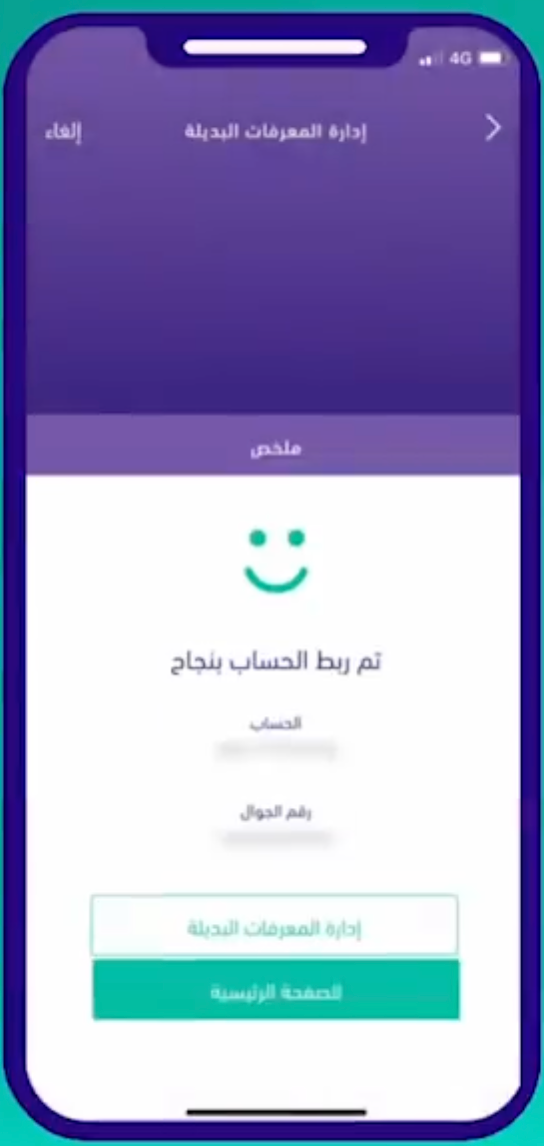
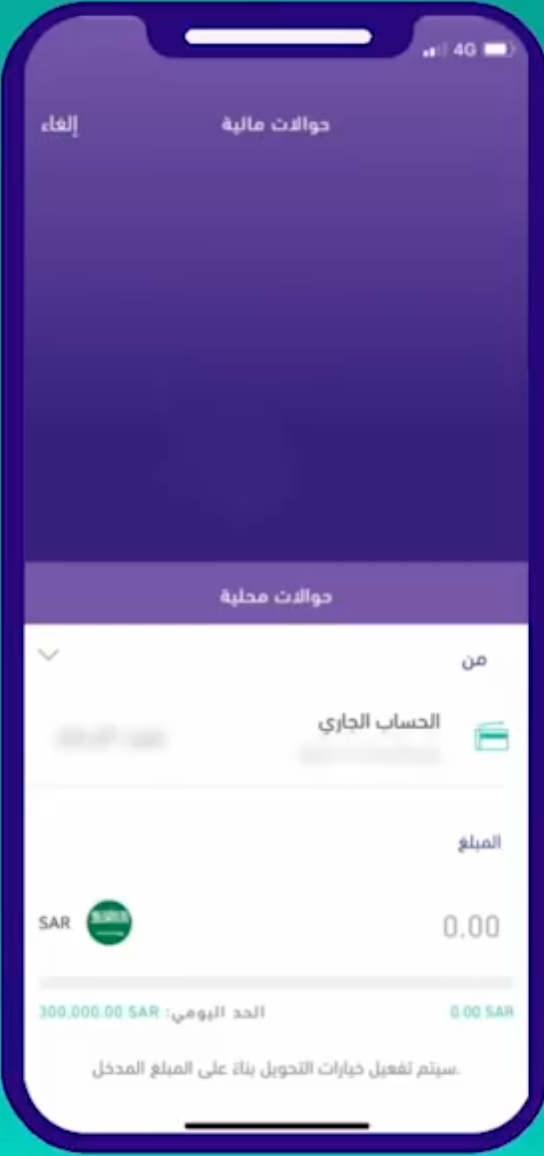
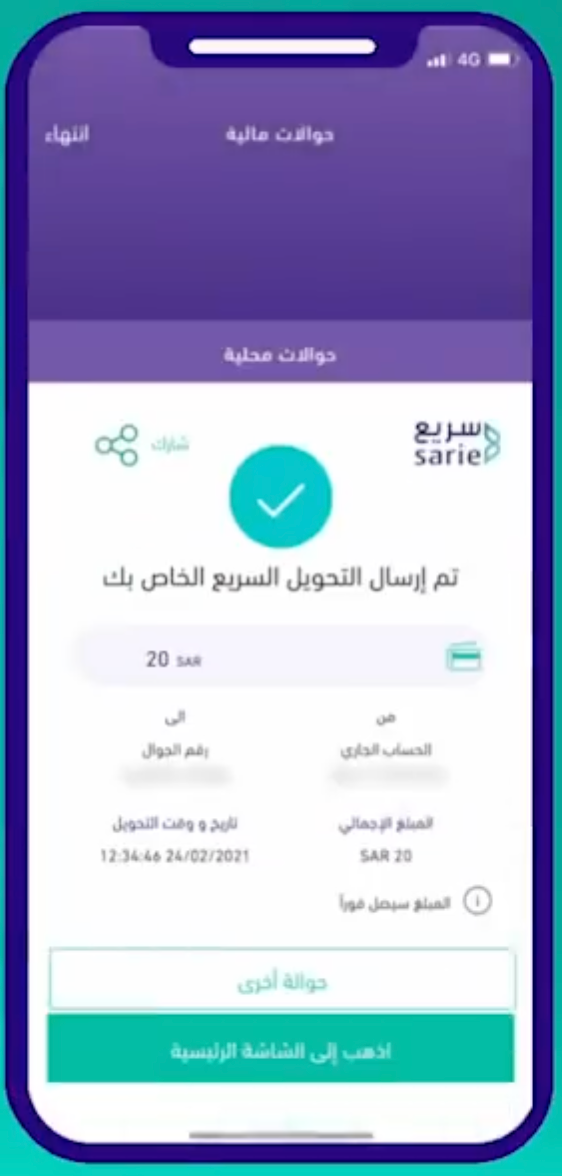
- Owning key product flows — CASA, Transfers & Payments, and Hassad
- Building and co-governing OASIS DS from scratch
- Coordinating cross-squad consistency and design–dev handoff


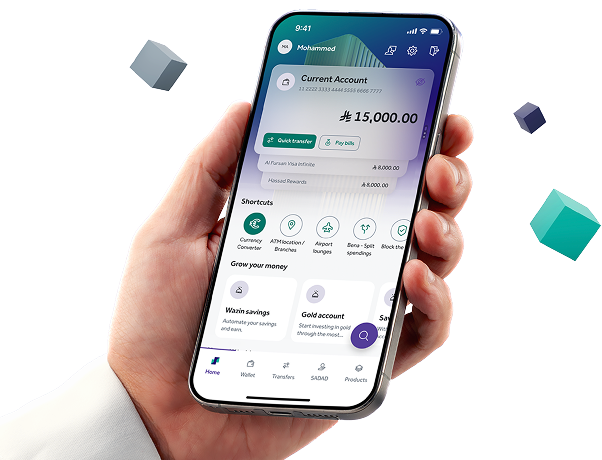
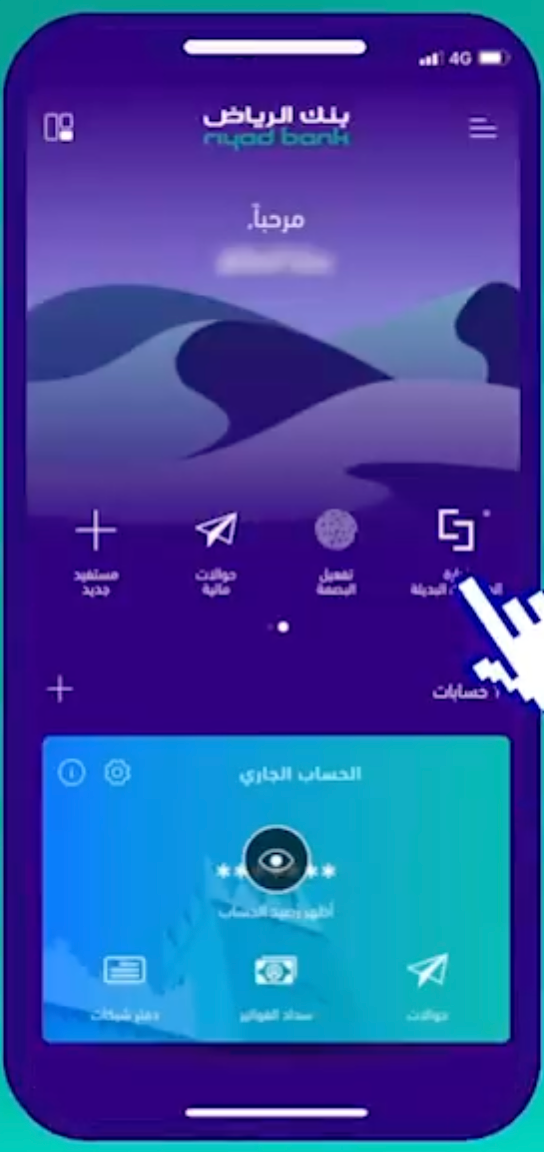
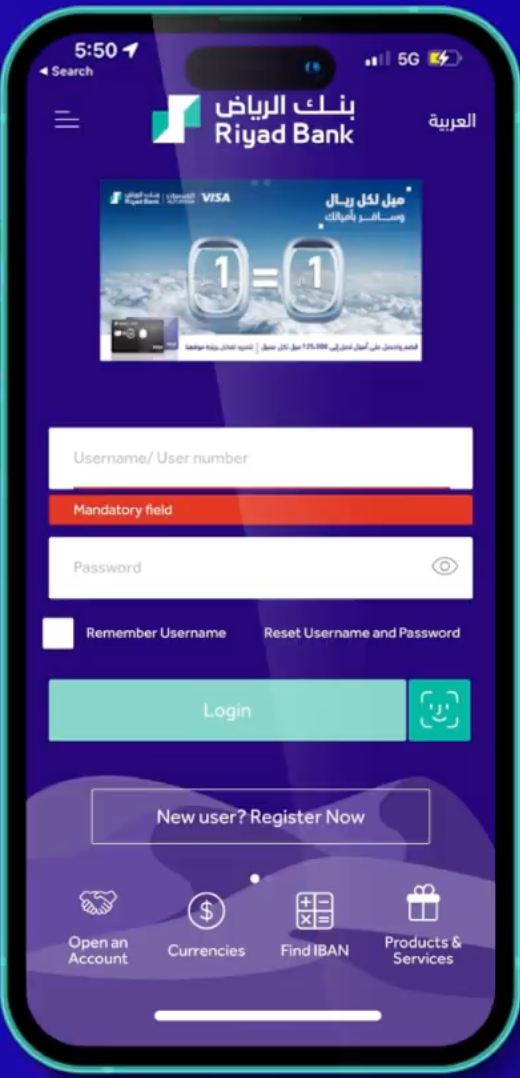
Riyad Bank is one of Saudi Arabia's largest retail banks, serving millions of customers across the Kingdom. In 2024, the bank launched a full-scale redesign of its mobile app — a product that had accumulated years of technical and design debt. Multiple cross-functional squads worked in parallel, with professionals from 19 countries onsite in Riyadh, each owning a domain of the app. Alongside the product work, OASIS DS was built from scratch — designed in parallel with the first product milestones to keep all squads aligned from day one.
Problem
Strategy & Execution
Building a design system from scratch
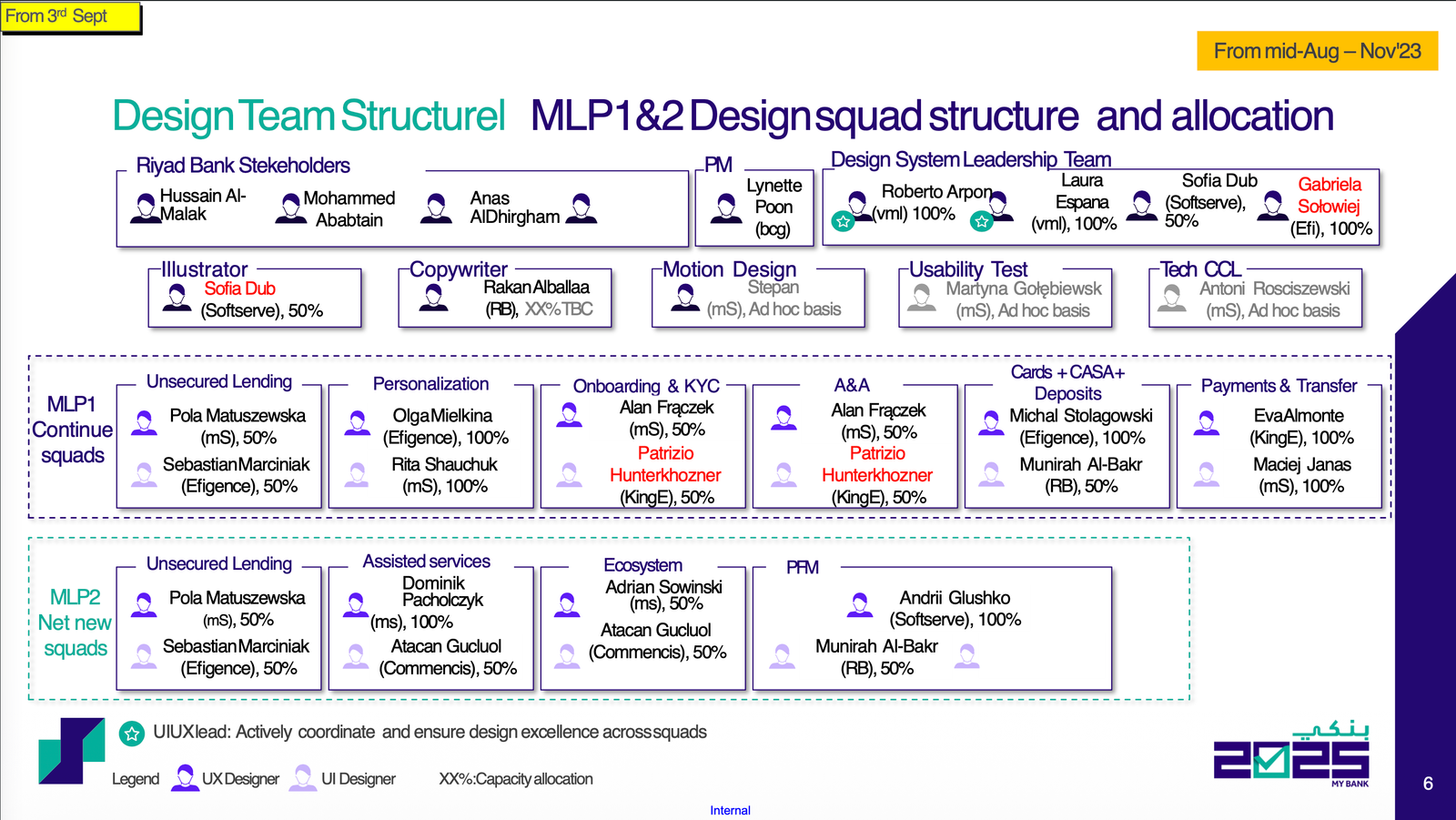
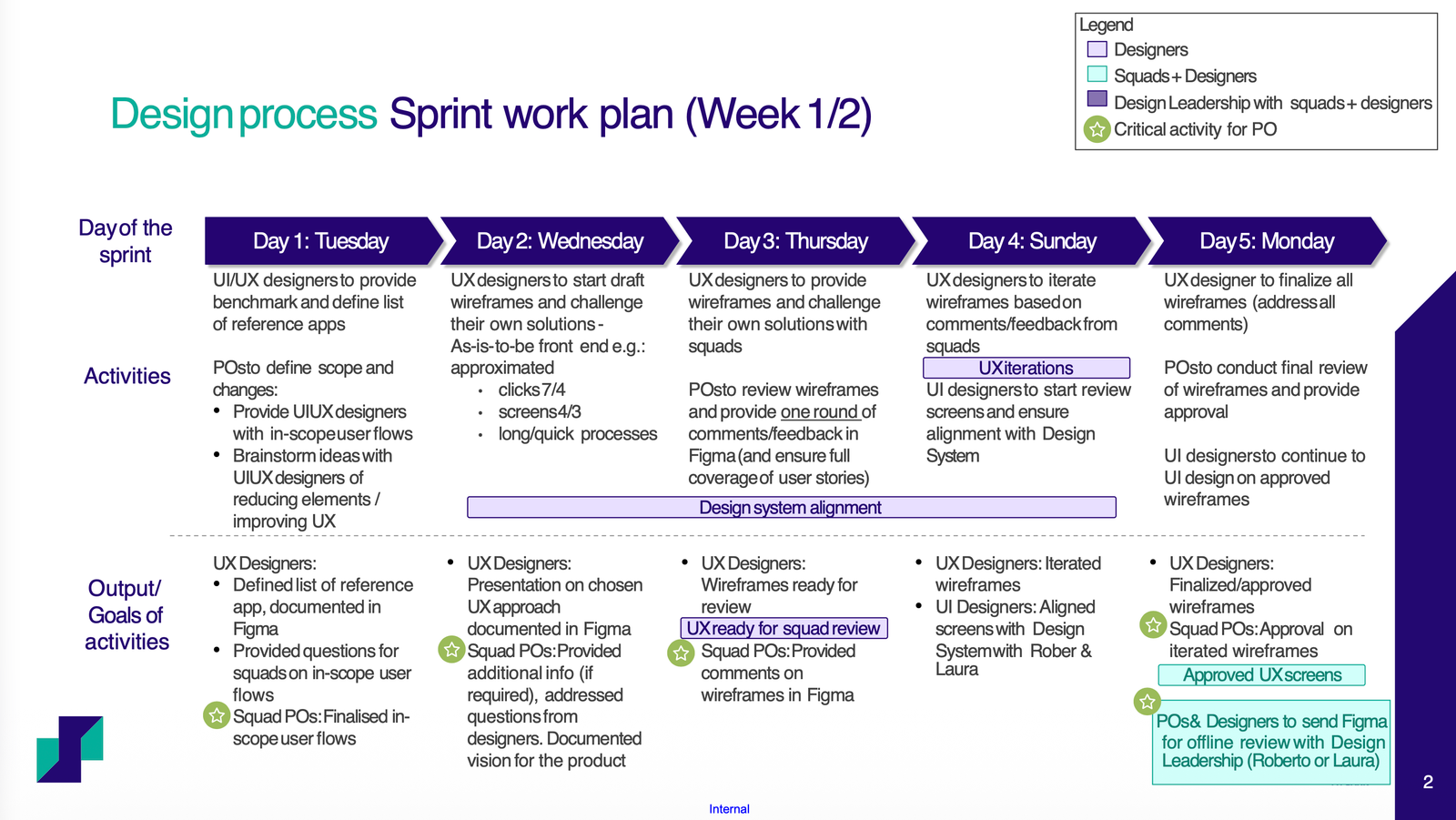
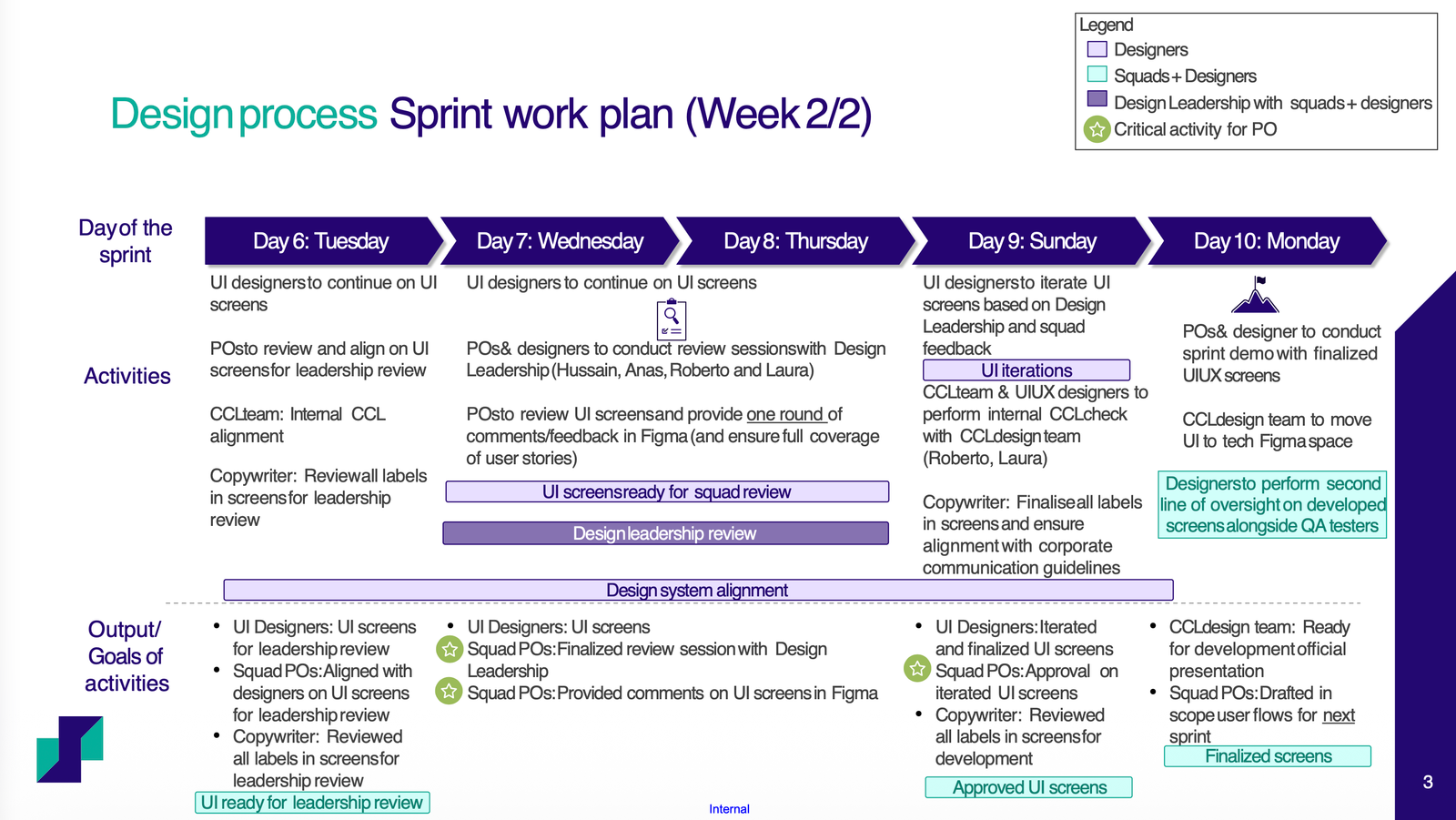
Initial concepts were proposed by BCG Poland and approved by Riyad Bank — from there, our team took ownership of the working processes, squad structure, DS governance, and sprint review cadence to make it all work at scale.
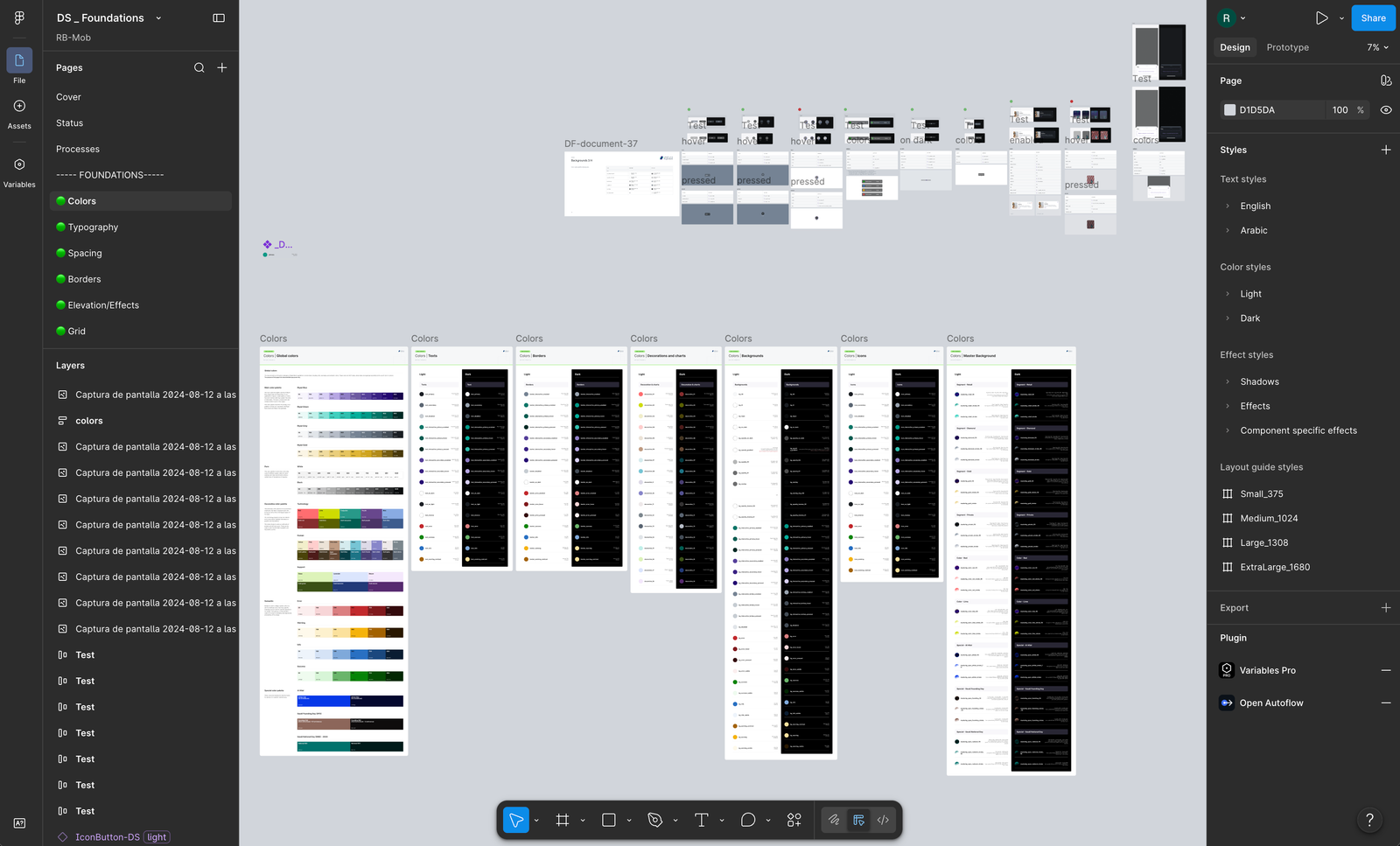
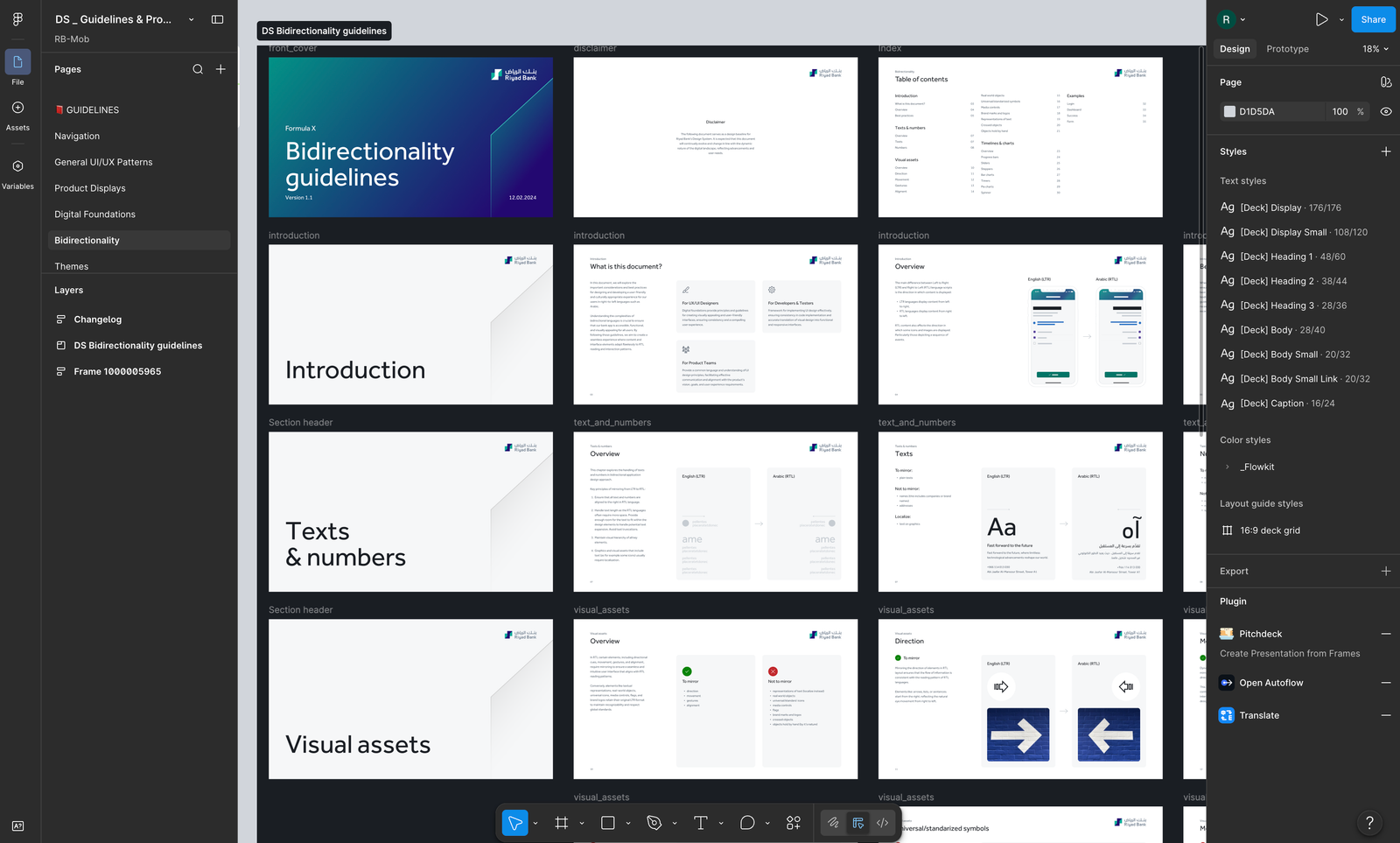
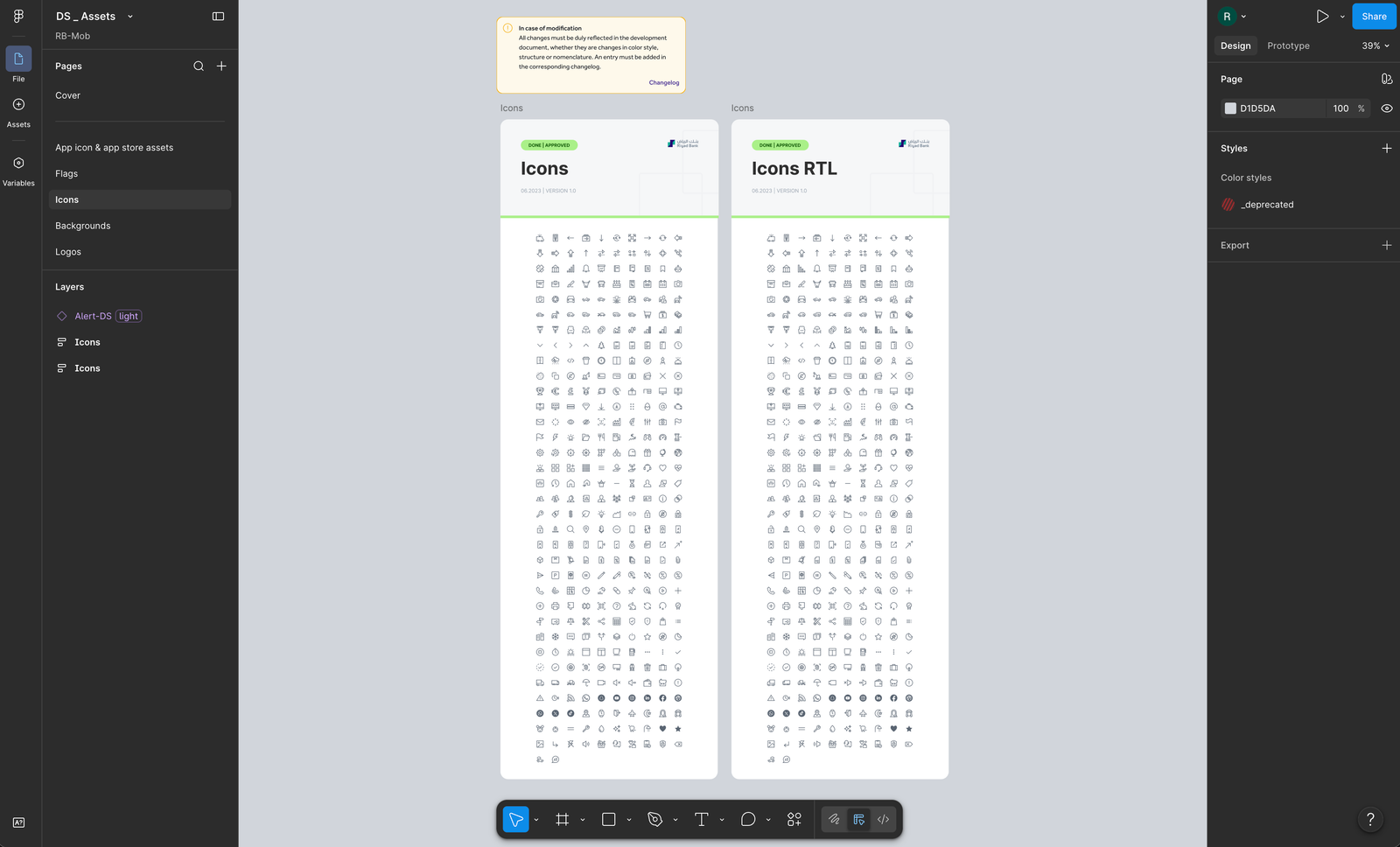
At the foundation of every squad's work sat OASIS DS — a living, always-growing design system and the shared reference for designers, developers and analysts. As the project evolved, so did the system — each squad contributed to the library as their flows required it, keeping the system grounded in real product needs. This enabled teams to move faster and with greater consistency, reducing duplicated effort and giving the development team a single source of truth.
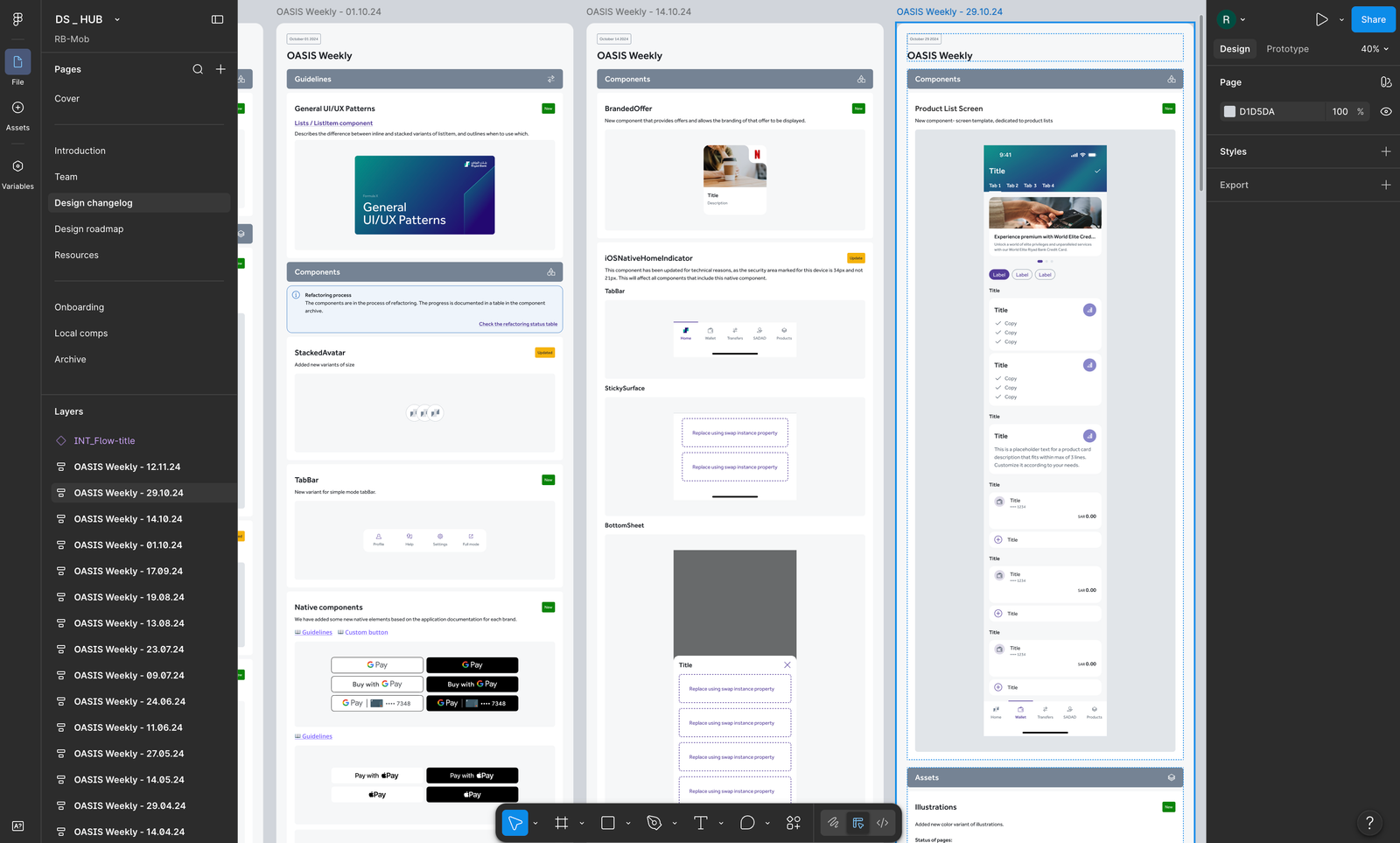
The system was built for scalability from day one — with Change Logs, structured documentation, and a dedicated Inbox for component requests across all squads.
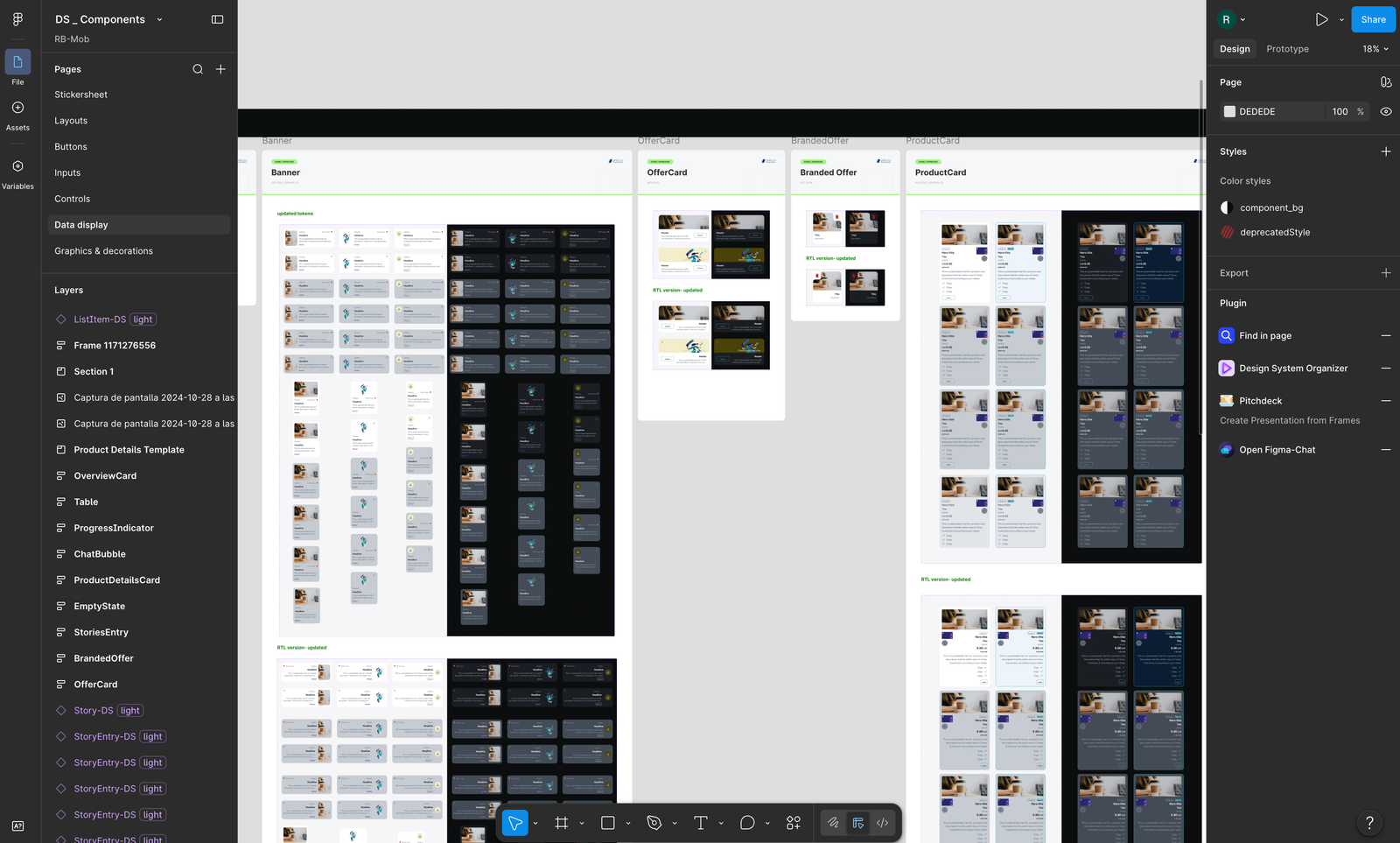
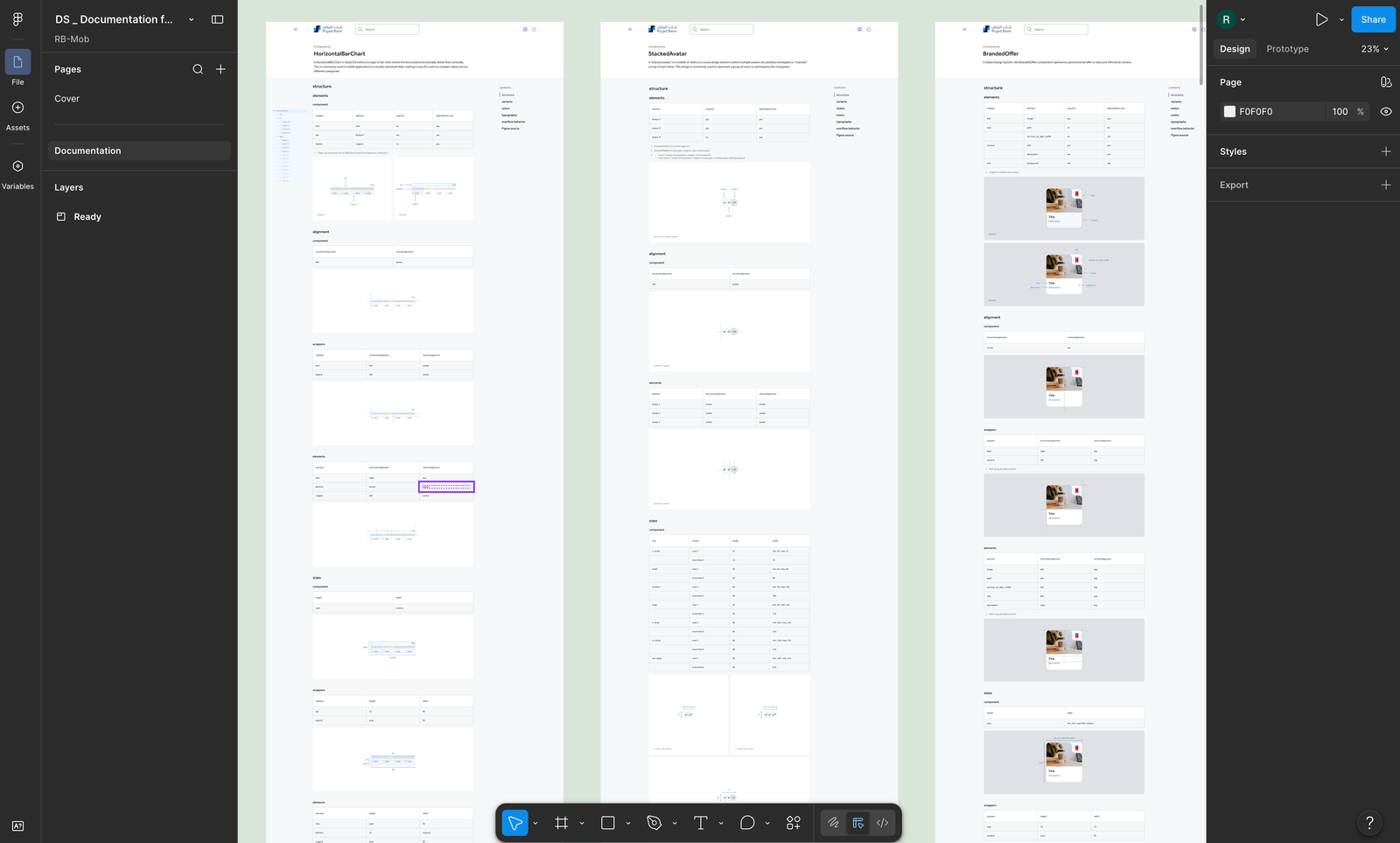
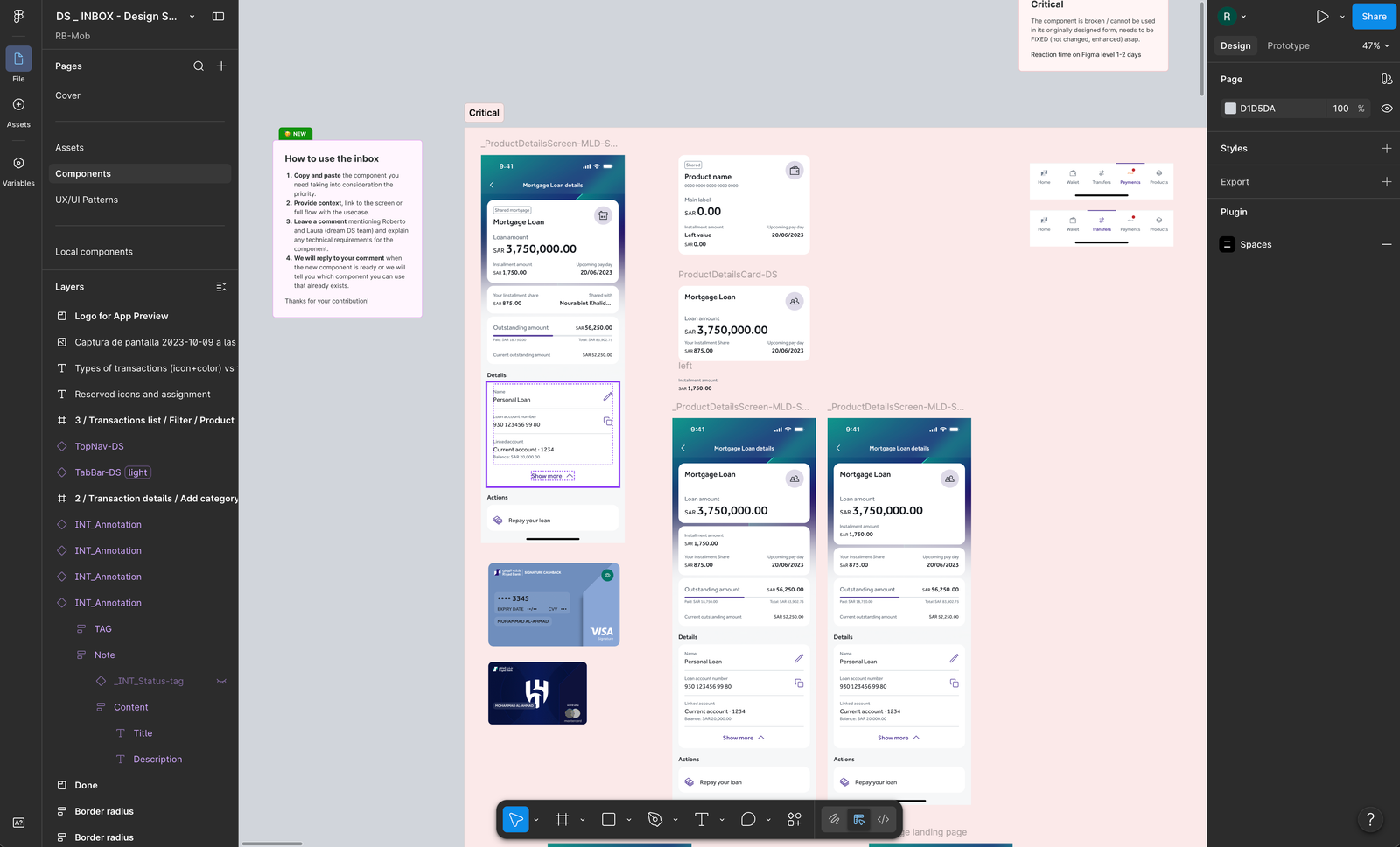
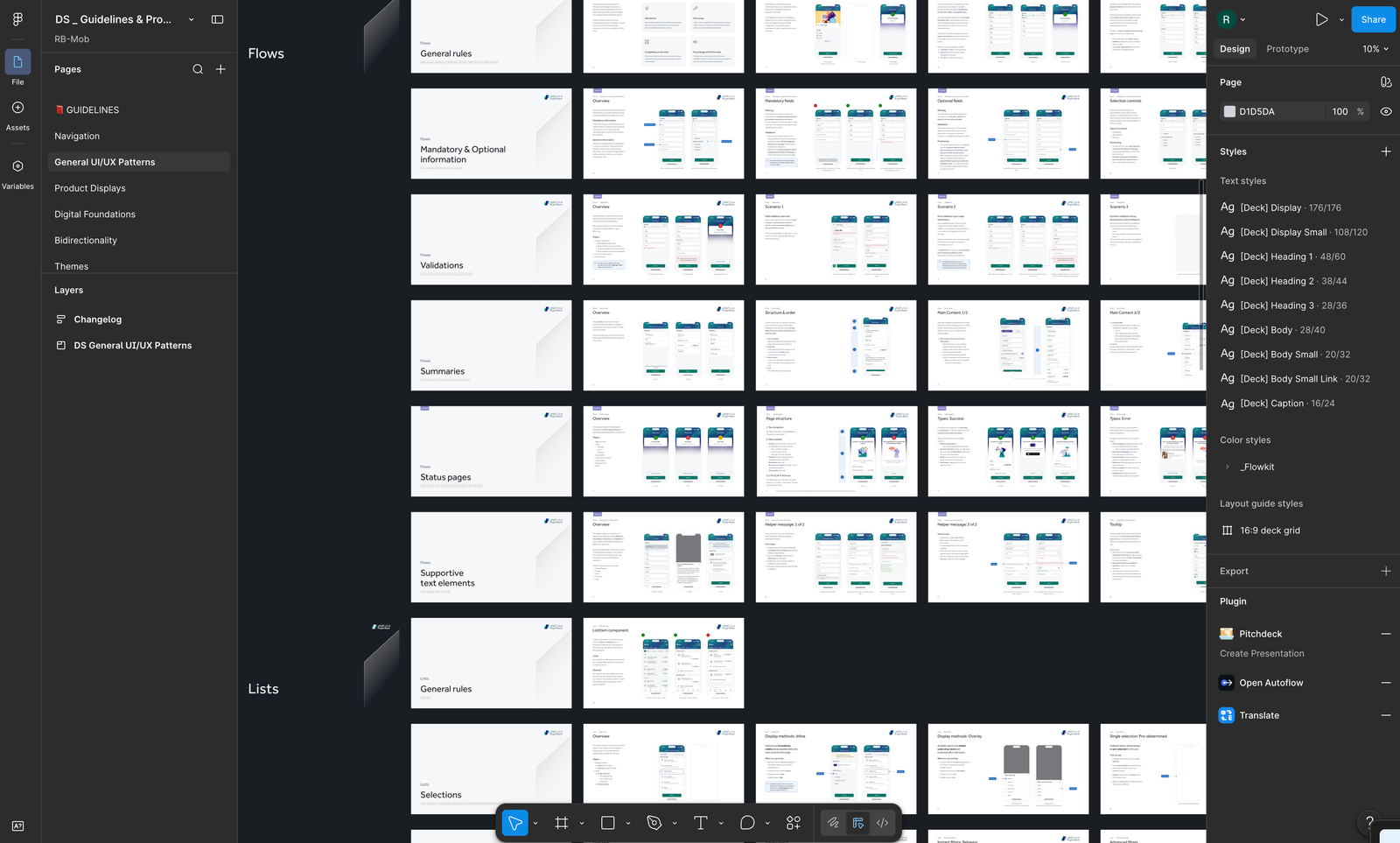
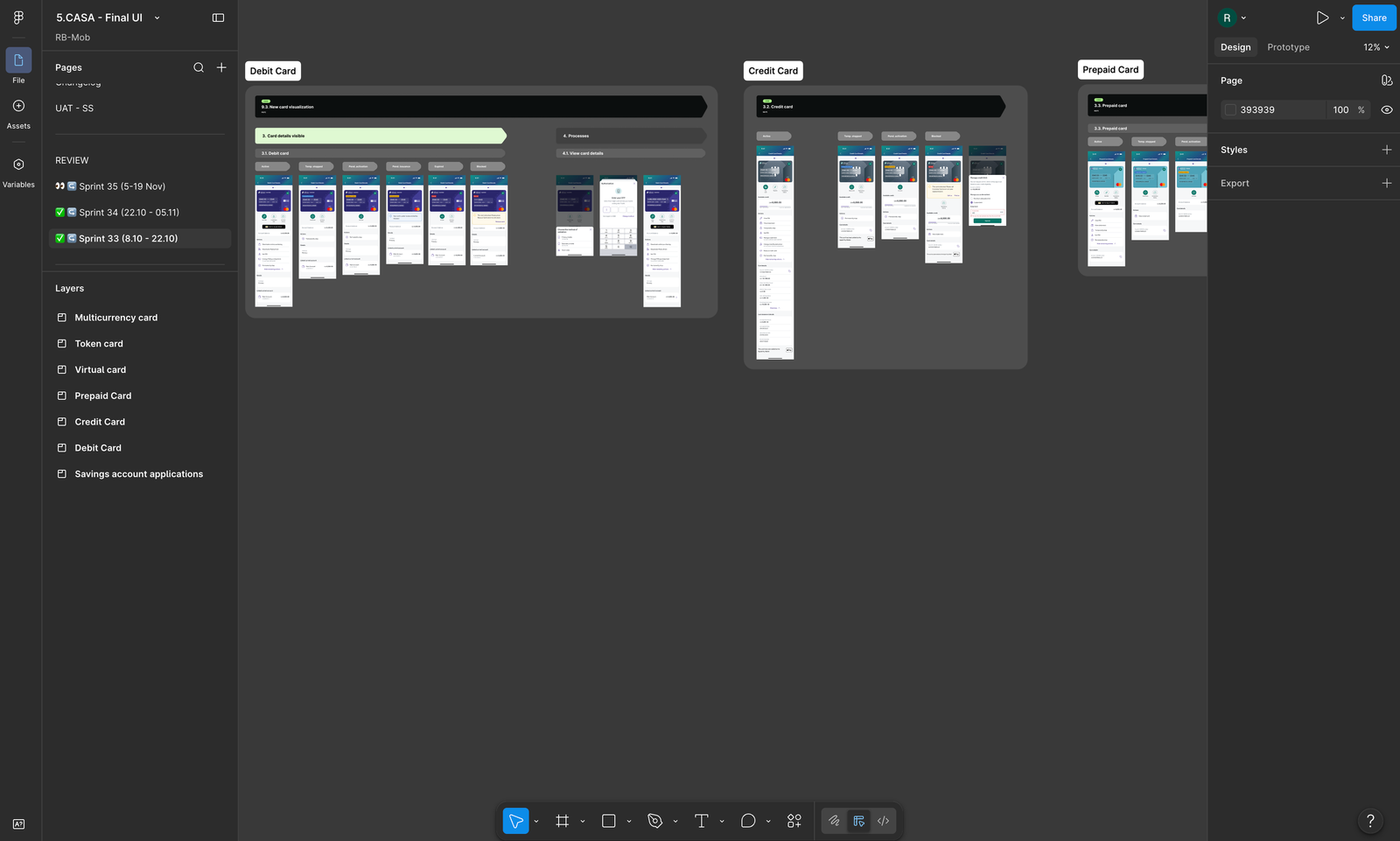
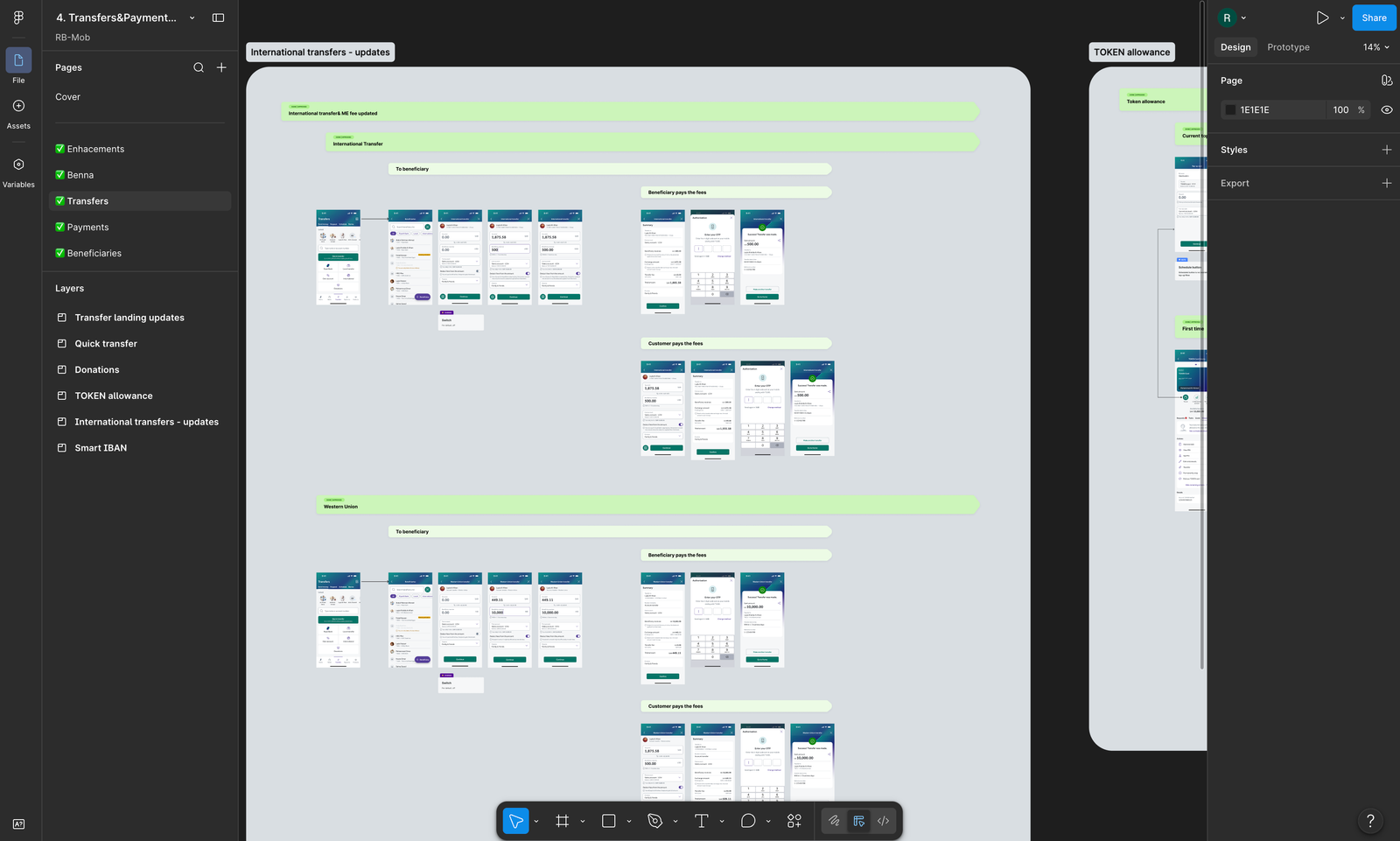
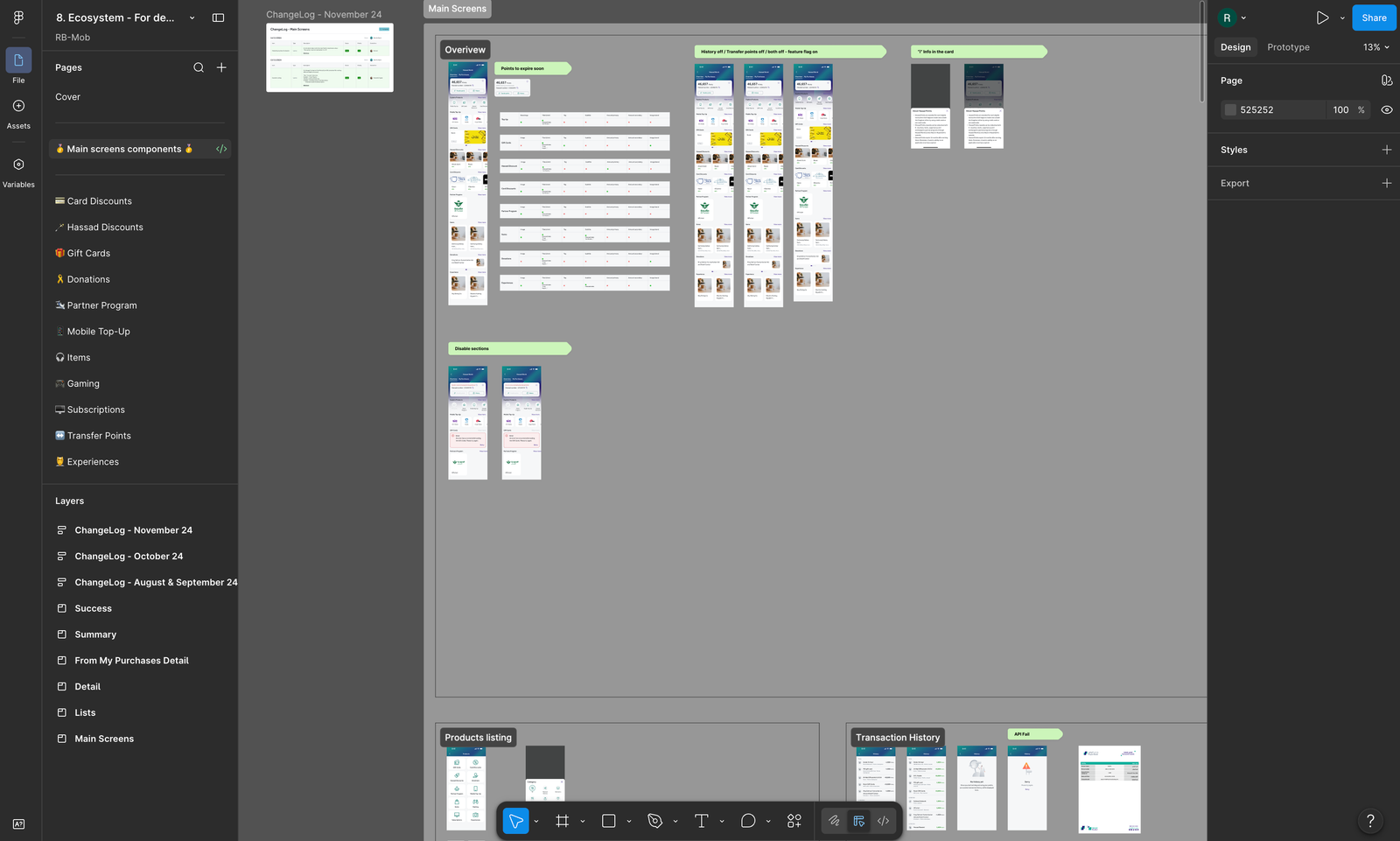
A selection of the key product flows I owned across the Riyad Bank mobile app redesign.
Click on any item to expand and view.
Design






Stakeholders — Riyad Bank


Development — ~30 developers



Business Analysts — ~20
Scale demands systems, not heroics
Leading 15 designers across multiple squads made one thing clear: individual quality doesn't scale. What scales is shared foundations — a design system, agreed conventions, and governance. OASIS DS wasn't a nice-to-have; it was the only way to keep 15 people moving in the same direction without constant oversight.
Multi-vendor, multi-cultural work is a discipline in itself
With professionals from 19 countries, multiple agencies, and a client team with its own culture and expectations, the work was as much about alignment and communication as it was about design. Learning to operate across those boundaries — and to build trust quickly — became as important as the craft.
Shipping beats perfecting
An MLP model forces a healthy tension between quality and momentum. The discipline of defining what's lovable — not just viable — and delivering it within a 2-week sprint cycle sharpened decision-making and reduced the tendency to over-engineer solutions before they were validated.